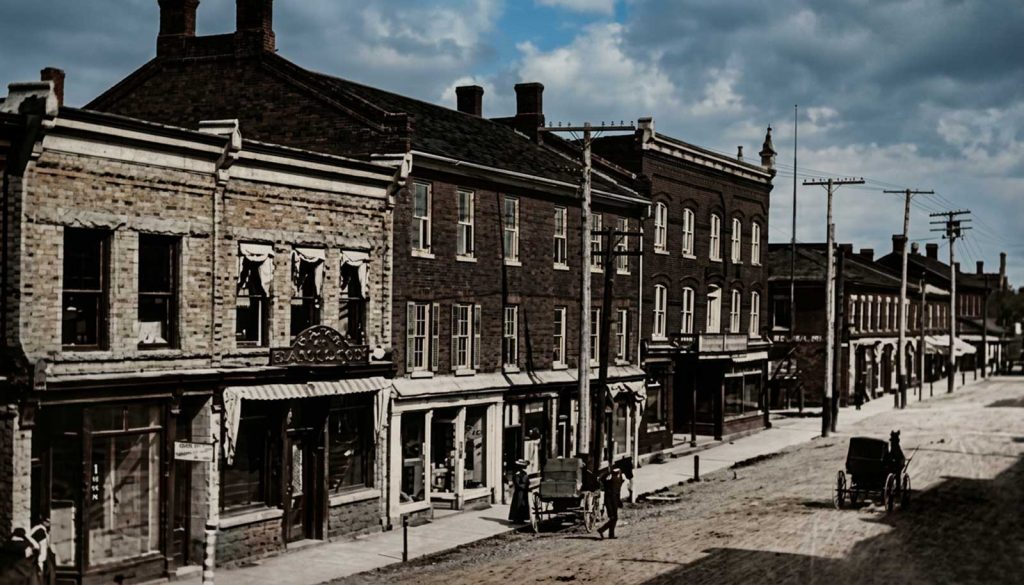
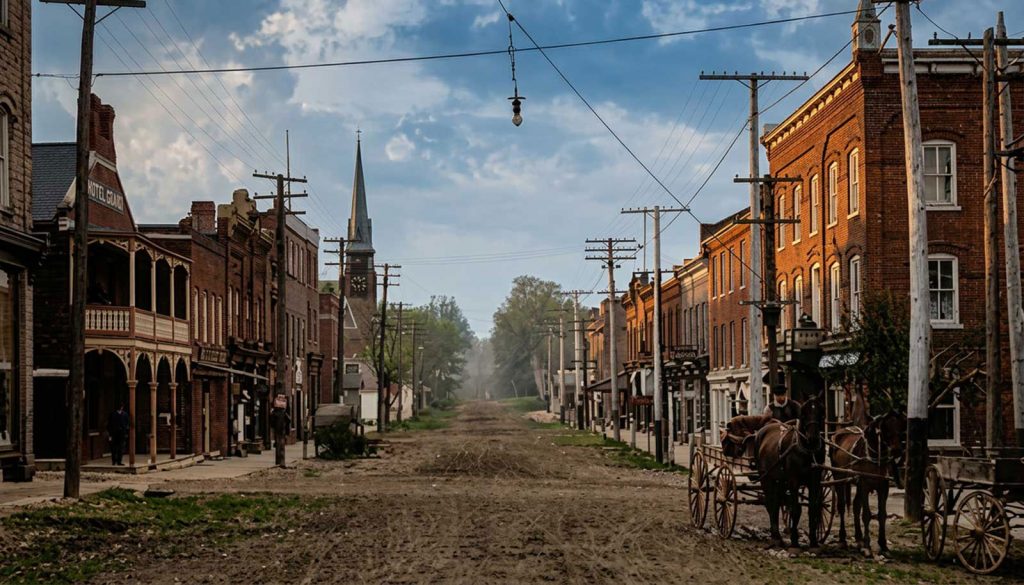
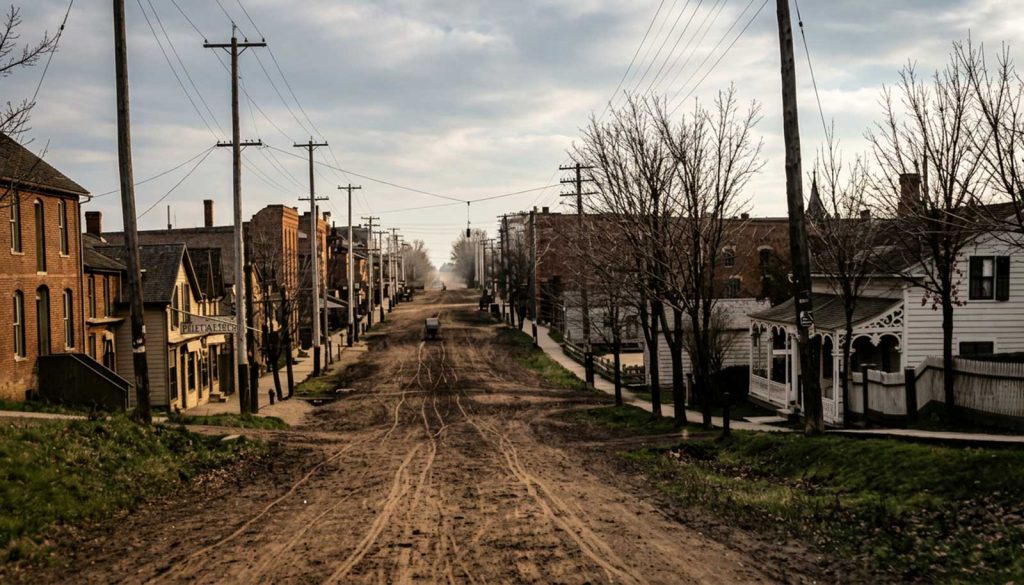
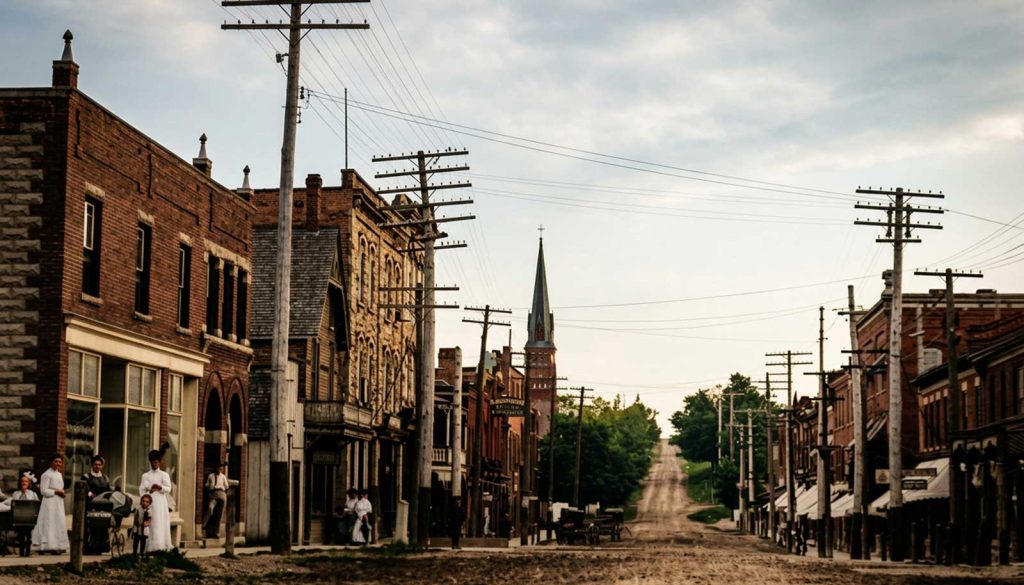
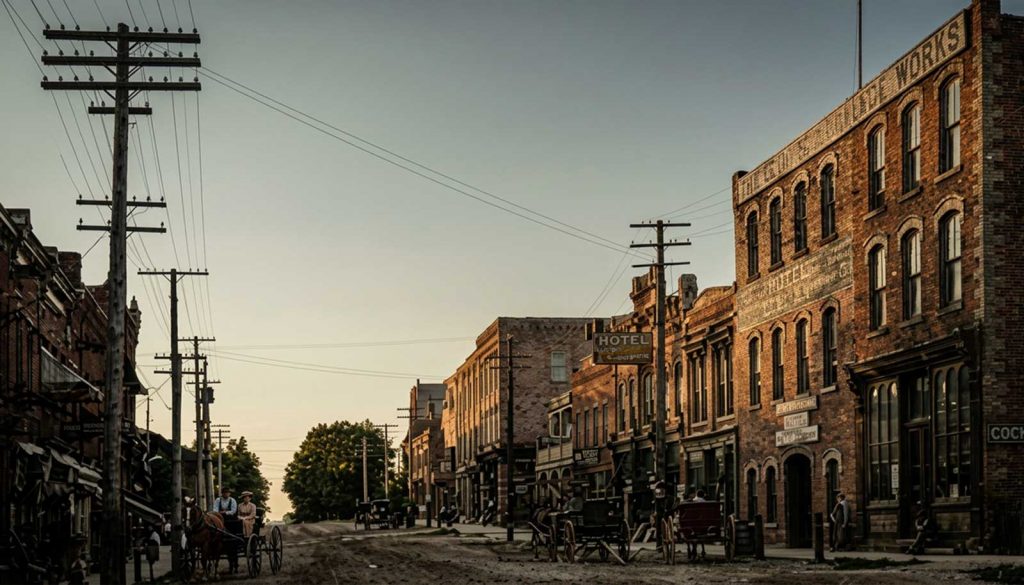
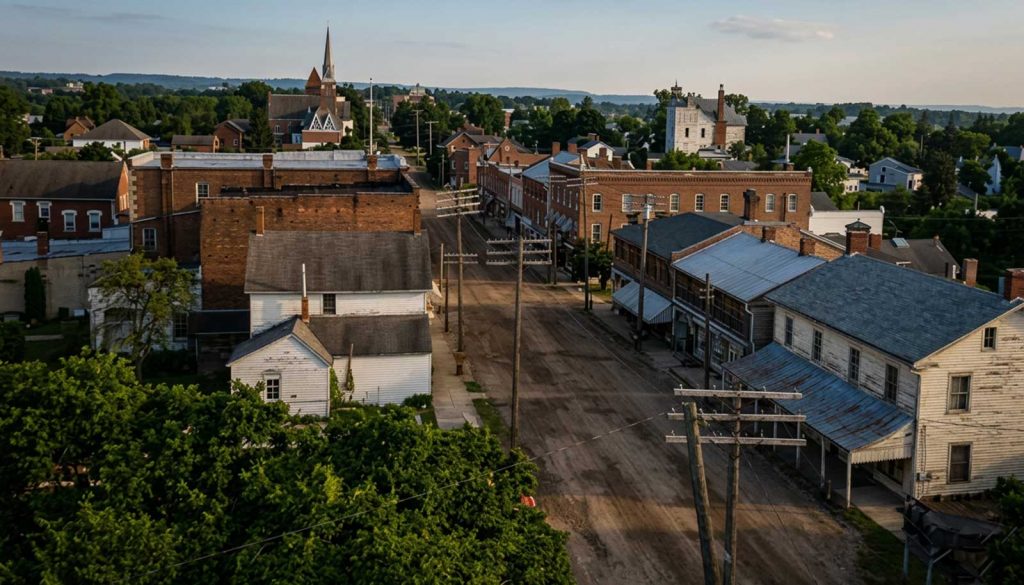
Georgetown’s story begins in the early 1820s, when George Kennedy—after whom the town is named—settled in the area. Seeing the potential of Silver Creek as a source of power, he built mills that drew workers and new settlers. One of the first structures was a sawmill built by Charles Kennedy near what is now Main Street and Wildwood Road. Around these mills, a small community known as “Hungry Hollow” gradually formed along the creek.
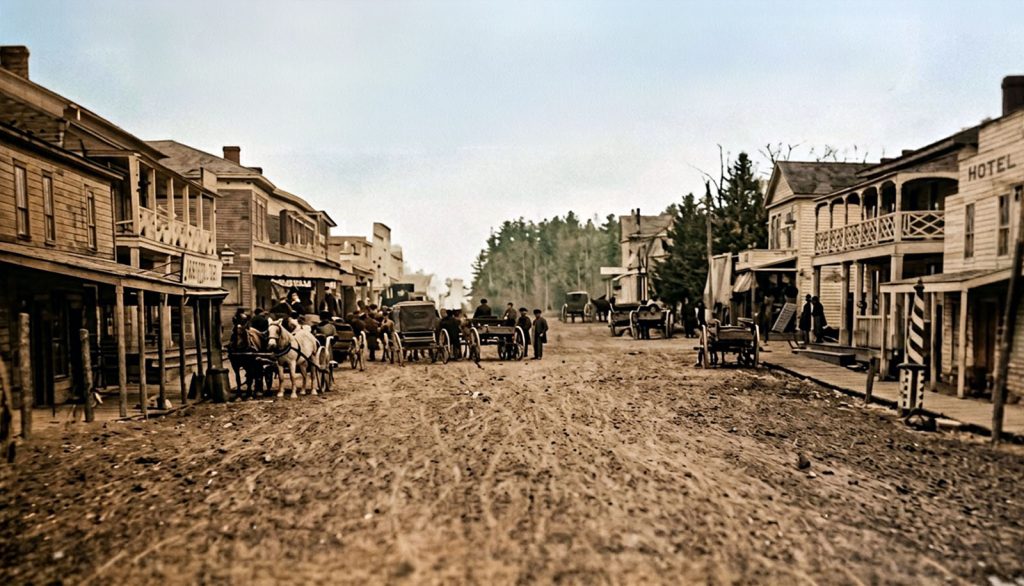
A major turning point came in 1837, when brothers William and James Barber purchased land from Kennedy, including a woolen mill and foundry. They renamed the settlement Georgetown, ushering in a period of more structured growth. Over time, Main Street developed as the town’s central corridor. In the 1850s, George Kennedy subdivided much of his land into town lots and laid out new streets—some named after his children—helping shape the downtown grid around Main and Church Streets, the oldest part of the community.
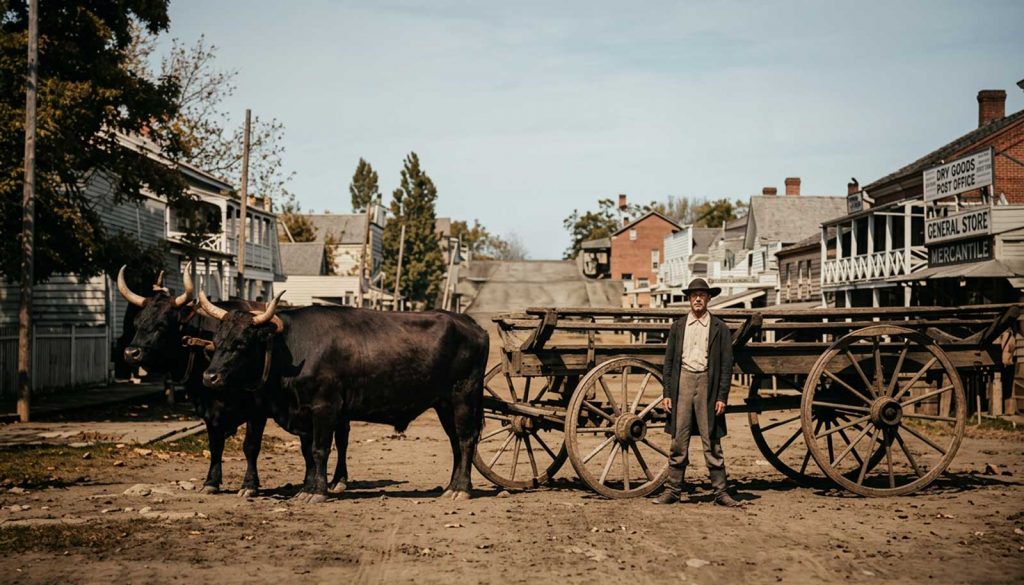
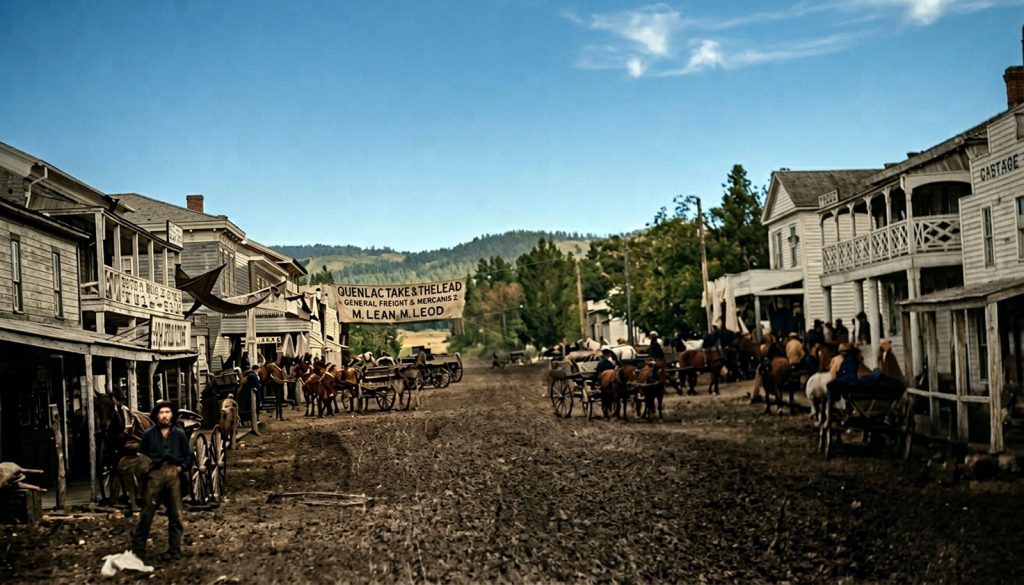
The arrival of the Grand Trunk Railway in 1856 accelerated Georgetown’s growth by linking it to larger markets and boosting industry and trade. By the 1850s and 1860s, Main Street was lined with shops, businesses, and small factories. Notable early enterprises included carriage builders Culp and Mackenzie, who opened in 1860, and the Creelman brothers, who began manufacturing knitting machines in 1876.
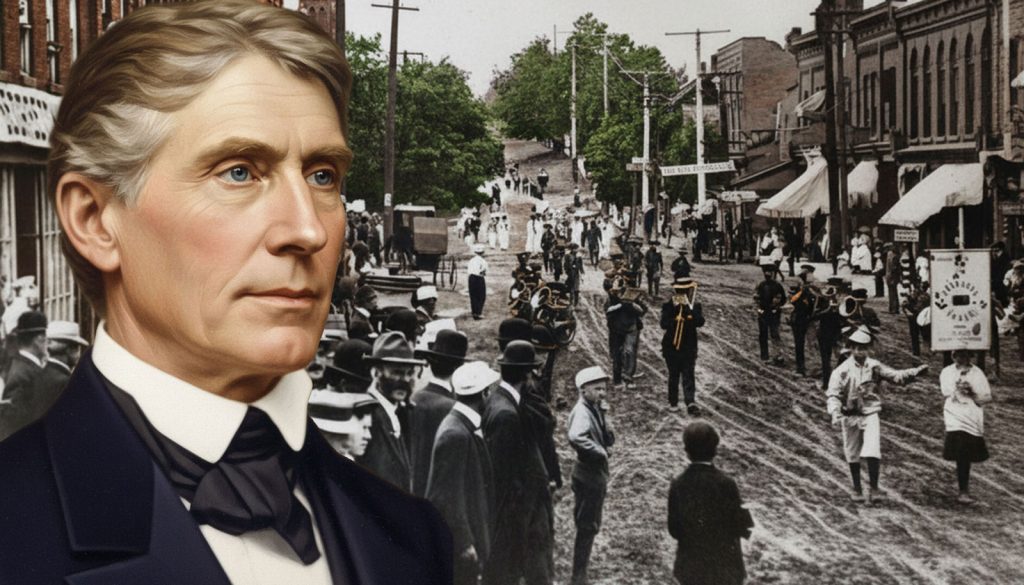
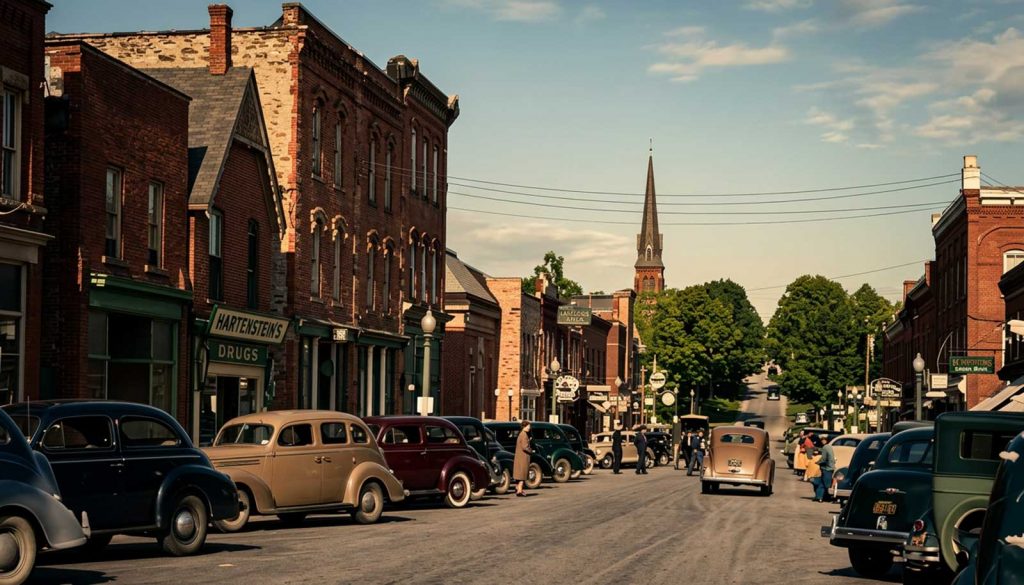
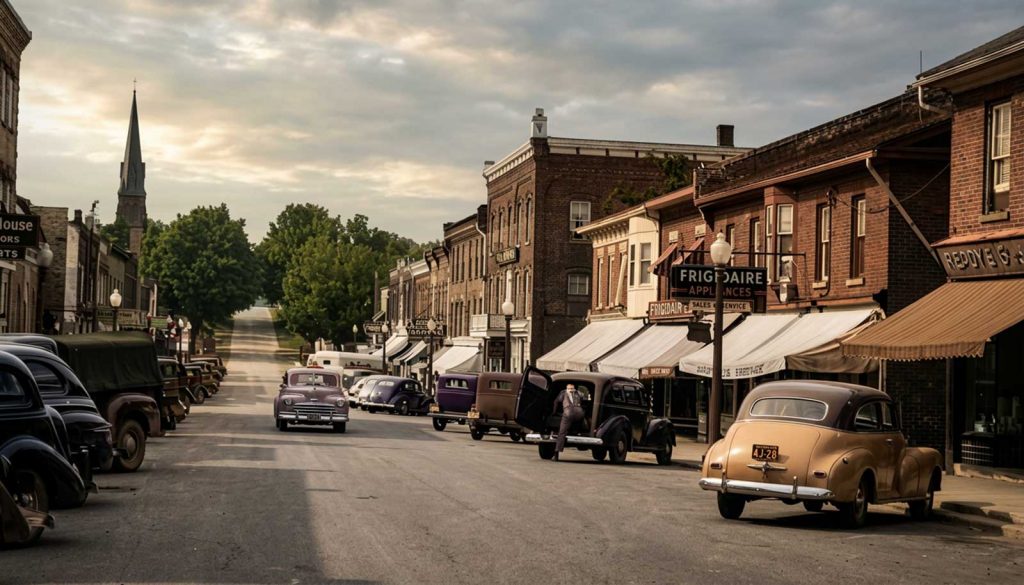
As the town continued to expand, Georgetown was incorporated as a village in 1865 and later became a town in 1922. Throughout these changes, Main Street remained the heart of civic and commercial life. Key institutions were located there as well, including the Georgetown Herald, founded in 1866, which operated from a Main Street office around 1900.
Today, many of the historic buildings from this era still stand along Main Street, preserving the character and heritage of Georgetown’s earliest days.
The original black-and-white photographs have now been digitally restored and colorized.