
The story of William Bradley and Margaret Harding is closely tied to the development of Georgetown, Ontario, and to one of Canada’s most successful horticultural businesses of the 20th century, the Dominion Seed House. What began as a small mail-order idea grew into a nationally recognized company that shaped both local identity and Canadian gardening culture.

William Bradley: Entrepreneur, Farmer and Visionary
William Freeman Bradley (1886–1952) was born into a farming family of Irish descent. He grew up on Cedar Vale Farm in Georgetown, where he developed a strong connection to agriculture, plants, and rural life.
Before entering the world of business, Bradley worked as a bank teller at the Bank of Hamilton, gaining experience in finance and administration. However, he eventually returned to his roots, helping manage the family farm and a local market garden.
From electricity to seeds: the birth of a business idea
In 1922, Bradley co-founded the Bradley-Edwards Electric Company with Roy Edwards. The company specialized in selling electrical appliances through mail order — a relatively modern and innovative business model at the time.
During seasonal slowdowns, particularly in winter, Bradley looked for ways to keep operations active and employees working. This practical challenge led to a pivotal idea: selling seeds by mail order.
The concept quickly proved successful, and by 1928 the Dominion Seed House was officially established.
Growth of Dominion Seed House
The Dominion Seed House expanded rapidly throughout the 1930s and 1940s. It became one of Canada’s leading suppliers of:
flower seeds
vegetable seeds
bulbs and plants
imported horticultural varieties
At its peak, the company employed up to 125 workers during the busy season and processed thousands of orders across Canada.
Bradley placed strong emphasis on quality control and reliability. He personally visited seed suppliers and ensured that all products met strict germination standards. This commitment helped build the company’s strong national reputation.
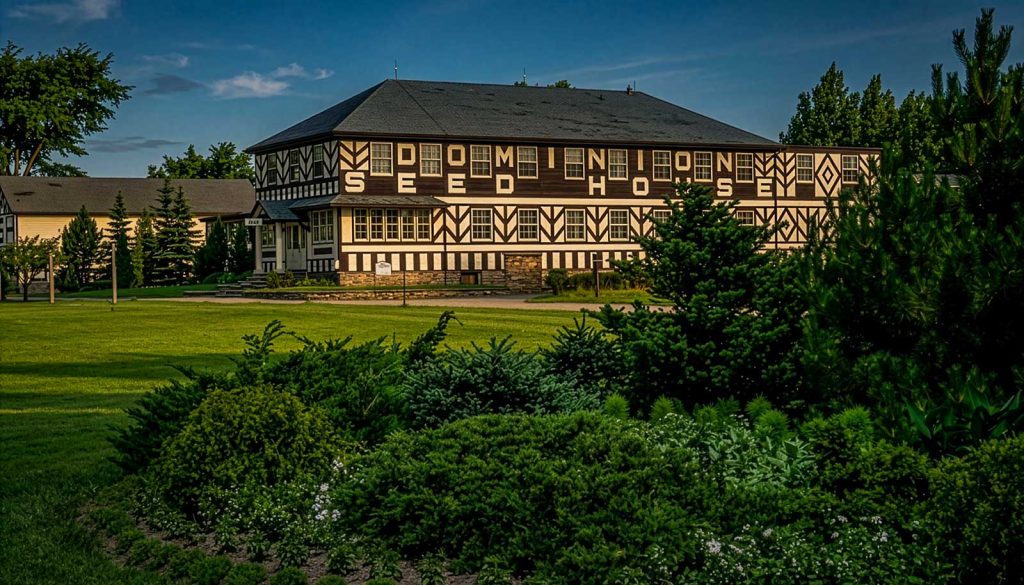
The iconic Dominion Seed House building
In 1936, Bradley relocated the business to a portion of the family property on Guelph Street. There he constructed the distinctive mock-Tudor-style Dominion Seed House building, which soon became a local landmark.
The building was not only a workplace but also a symbol of the company. It frequently appeared in catalogues and promotional materials, reinforcing the brand’s identity across Canada.
Margaret Bradley Harding: Preserving and Modernizing a Legacy
Taking over the family business
After William Bradley’s death in 1952, ownership of the Dominion Seed House passed to his wife Alexandrina Bradley and their daughter, Margaret Bradley Harding.
Margaret eventually assumed the role of company president, guiding the business through a period of modernization and changing consumer habits in the second half of the 20th century.
Leadership and continued success
Under Margaret Harding’s leadership, Dominion Seed House remained a respected name in Canadian horticulture. She helped adapt the company to new retail trends, including the growing popularity of garden centres and in-person retail experiences.
Key milestones during her leadership included:
1980 – Dominion Seed House named Georgetown Business of the Year
1981 – opening of a garden centre on the property
continued expansion of retail and mail-order operations
Margaret’s leadership ensured that the company remained relevant even as the gardening industry evolved.
Sale and closure of the original business
In 1993, Margaret Bradley Harding sold Dominion Seed House to W. H. Perron, a seed company based in Quebec. Following the acquisition, operations were relocated, marking the end of the business in Georgetown.
The original Dominion Seed House building remained standing for several years but was ultimately demolished in 1999, after the property was redeveloped.
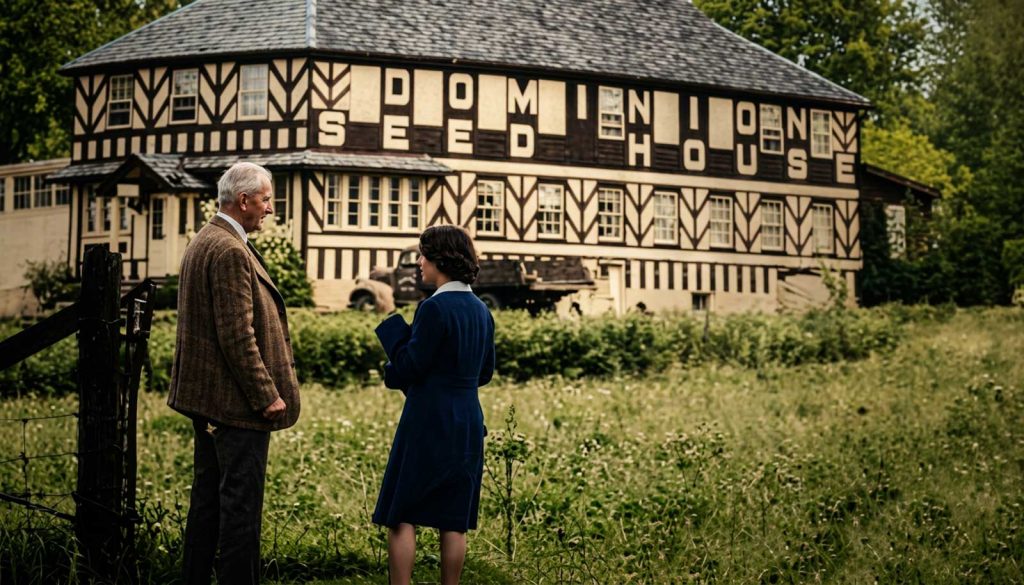
The Legacy of Dominion Seed House
From business site to public park
Although the original company no longer exists, its legacy remains visible in Georgetown today. The former site has been transformed into Dominion Gardens Park, a public green space that preserves the memory of the historic seed company.
Nearby, the Old Seed House Garden continues to reflect the horticultural heritage of the area.
Lasting impact on the community
The influence of William Bradley and Margaret Harding extends beyond business history. Their work helped shape:
Georgetown’s identity as a centre of horticulture
local employment and economic development
Canada’s early mail-order retail industry
Even today, the surrounding neighbourhood preserves their memory through street names such as:
Bradley Drive
Harding Street
Conclusion: A Canadian horticultural success story
The story of William Bradley and Margaret Bradley Harding is more than a family business history. It is a reflection of Canadian innovation, adaptability, and community development.